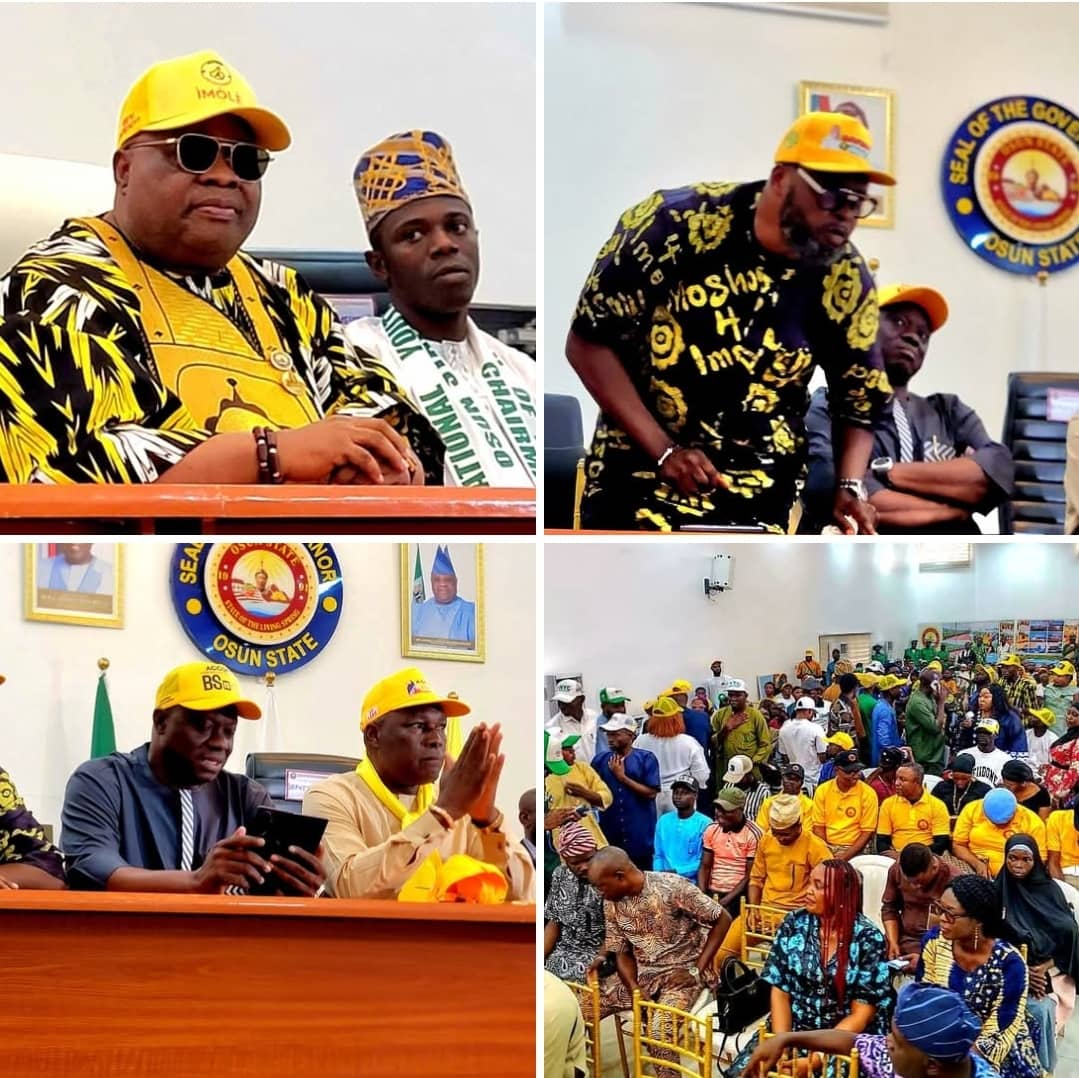

Let’s be honest: for years in Osun State, young people often felt like background figures in governance.
Meetings were held, promises were made, but on the streets, in campuses, and within youth institutions, little seemed to change in practical terms.
The emergence of Ademola Adeleke as Governor of Osun State marked a noticeable shift in that narrative. Rather than merely speaking about “youth inclusion,” his administration positioned youth participation as a visible policy direction.
Young people are no longer watching governance from outside the gate. Through appointments, engagement platforms, and structured empowerment initiatives, they are being carried along, consulted, and prioritized.
Youth Inclusion in Governance
It is no longer a gainsay that several young people now serve in youth-related portfolios within the state government. These appointments are not symbolic; they provide opportunities for direct participation in decision-making processes.
The message is clear: governance is no longer a closed circle. Youth voices are increasingly present at the table.

Imole Youth Corps: Fighting Idleness with Opportunity
A major highlight is the empowerment of thousands of youths through the Imole Youth Corps scheme, a youth-friendly initiative designed to reduce idleness and provide structured engagement with monthly stipends.
At a time when unemployment remains a pressing concern across Nigeria, such programs signal intentional investment in the next generation.

NYSC in Osun: From Neglect to Renewed Attention
One of the clearest examples often cited is the transformation around National Youth Service Corps operations at the NYSC camp in Ede.
Corps members previously raised concerns about poor facilities, darkness at night, and slow responses to infrastructure needs.
Today, visible improvements are being pointed out, including:
Increased government attention to camp needs
More consistent renovations
Solar lighting installations to improve safety and night visibility
Faster government presence when support is required
For corps members posted to Osun, the difference is practical- improved safety, better facilities, and a sense that the state acknowledges their presence and welfare.

Support for Student Bodies
Recently, the National Association of Nigerian Students and the National Association of Osun State Students reportedly received brand-new buses to support student engagement and welfare activities. Such gestures reinforce the administration’s youth-focused narrative.

Youth Representation That Shows Up
Credit is also extended to the Commissioner for Youth Affairs, Olagunju Moshood Olalekan, whose visibility in youth spaces reflects a governance style that prioritizes engagement rather than distance.
This differs sharply, supporters argue, from perceptions during the administration of Gboyega Oyetola, where many youths felt programs moved slowly and youth institutions lacked adequate attention.
The Political Reality
When a government invests intentionally in young people, it shapes the political future of the state. A generation that feels seen and empowered is more likely to support continuity. That is the political undertone critics often avoid discussing.
If previous administrations had delivered comparable levels of youth-centered governance, today’s contrast might not be so stark.
Keep the Momentum, Don’t Reset Progress
Progress is fragile. When young people begin to experience inclusion, structured empowerment, and institutional attention, reversing course carries consequences.
The sentiment among many youths can be summarized simply:
We have seen what neglect looks like.
We are experiencing what attention feels like.
Let the progress continue.
If governance is finally working for the youth, the bigger question becomes:
why reverse momentum?